

12 Astrology Signs and Their Dates: Complete Guide to the Zodiac
The twelve astrology signs, also known as zodiac signs, are divisions of the ecliptic used in Western astrology to describe personality tendencies, behavioral patterns, and archetypal themes. These signs are based on the apparent yearly path of the Sun across the sky as observed from Earth.
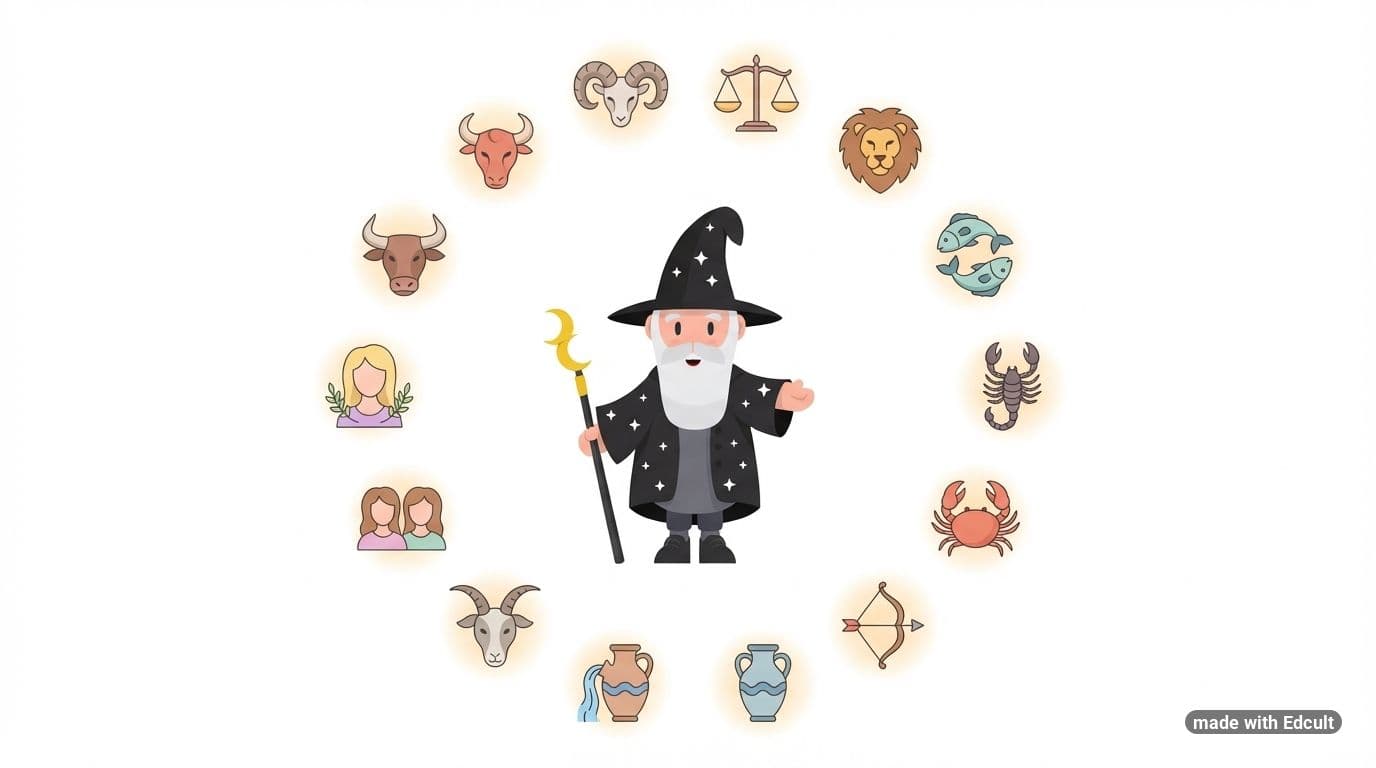
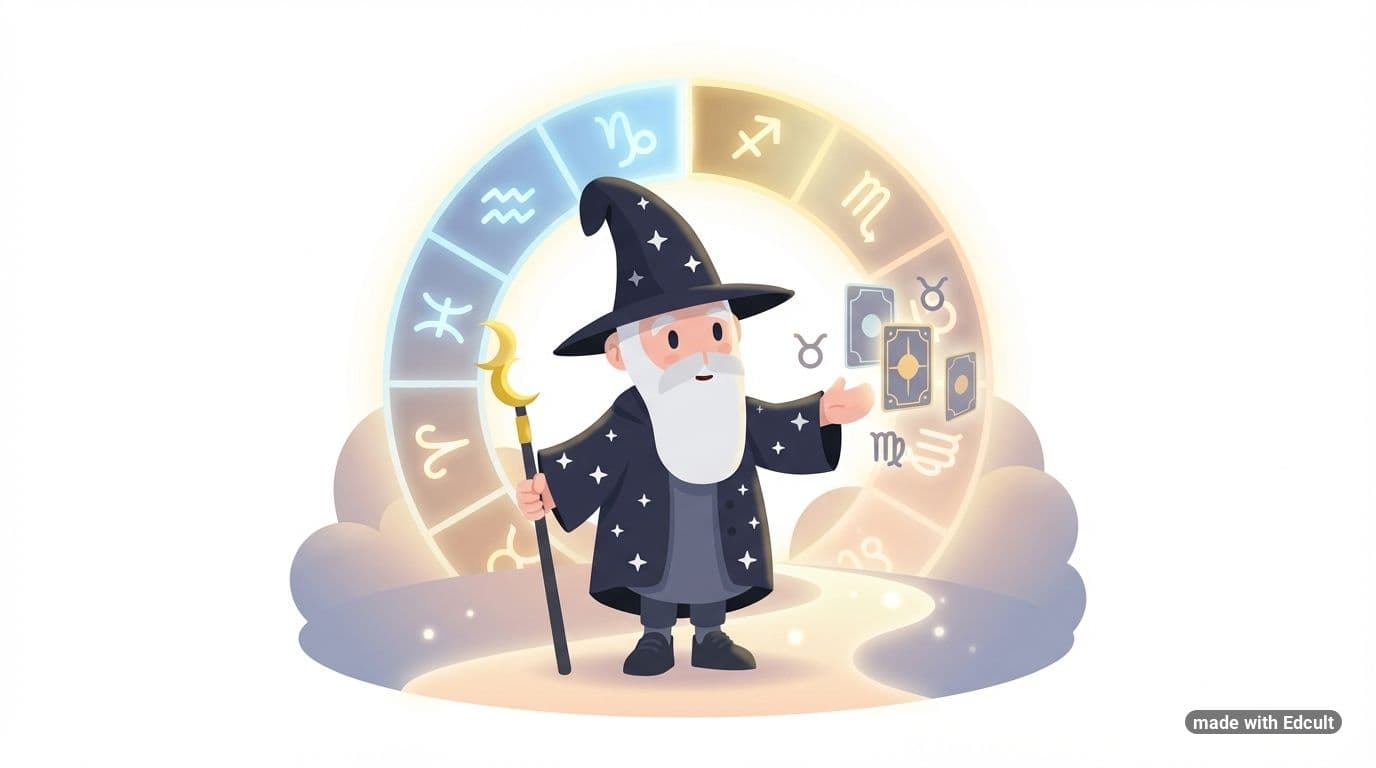
In Western astrology, the zodiac is divided into twelve equal 30-degree segments. Each segment corresponds to a zodiac sign and is associated with specific symbolic qualities. When people refer to their “sign,” they are typically referring to their Sun sign, which is determined by the position of the Sun at the time of birth.
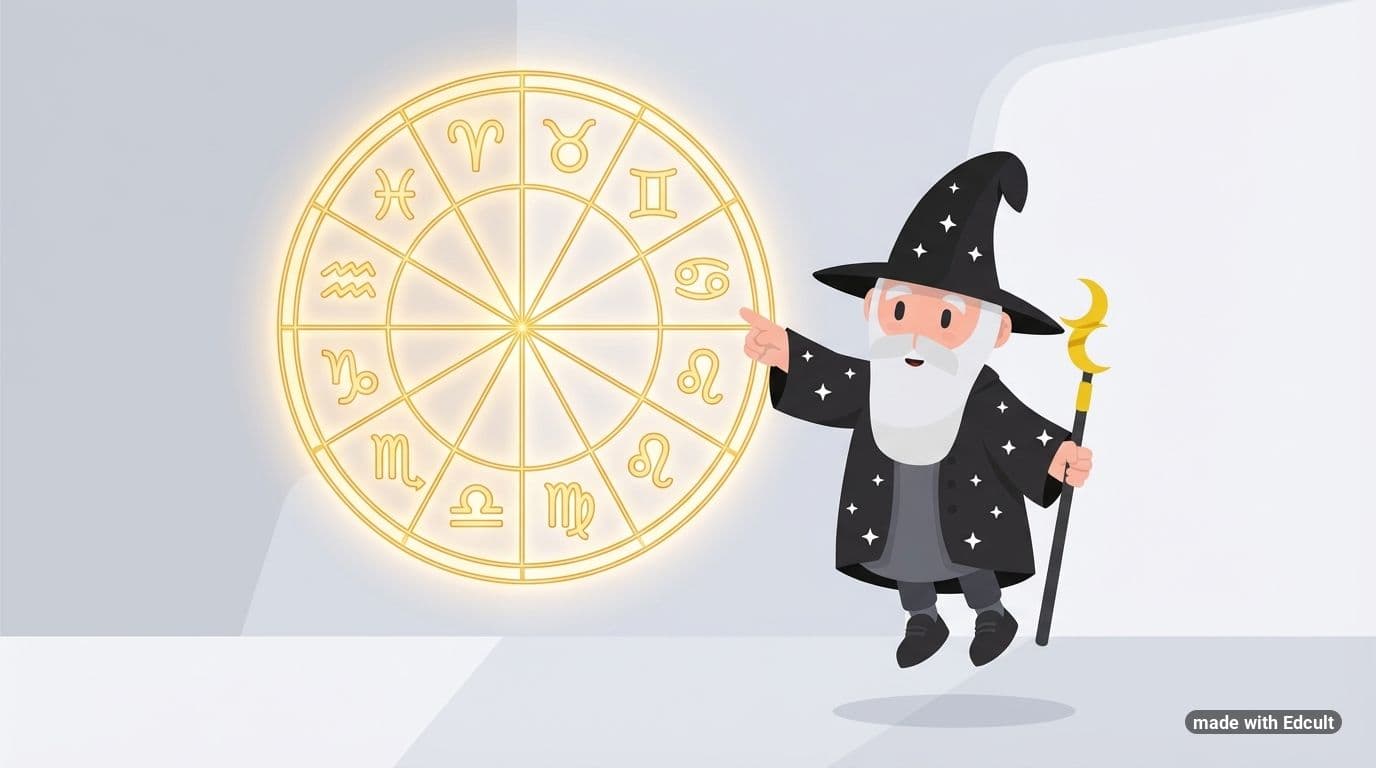
The dates of each zodiac sign follow the tropical zodiac system, which is aligned with the seasons rather than the constellations. This distinction is important because many misconceptions arise from confusion between astronomical constellations and astrological signs. In tropical astrology, Aries always begins at the March equinox, regardless of the shifting positions of the constellations due to axial precession.
Below is a complete and accurate overview of the twelve zodiac signs and their standard date ranges.
The 12 Zodiac Signs and Their Dates
1. Aries
Dates: March 21 – April 19
Aries marks the beginning of the zodiac and corresponds with the start of spring in the Northern Hemisphere. It is a cardinal fire sign traditionally ruled by Mars. Aries is associated with initiative, independence, and direct action.

2. Taurus
Dates: April 20 – May 20
Taurus is a fixed earth sign ruled by Venus. It is associated with stability, material security, and sensory experience. Taurus season corresponds with the full arrival of spring.

3. Gemini
Dates: May 21 – June 20
Gemini is a mutable air sign ruled by Mercury. It is associated with communication, adaptability, and intellectual curiosity. Gemini season marks late spring moving toward summer.

4. Cancer
Dates: June 21 – July 22
Cancer begins at the June solstice and is a cardinal water sign ruled by the Moon. It is associated with emotional sensitivity, protection, and domestic themes.

5. Leo
Dates: July 23 – August 22
Leo is a fixed fire sign ruled by the Sun. It is associated with creativity, leadership, and visibility. Leo season reflects the height of summer in the Northern Hemisphere.

6. Virgo
Dates: August 23 – September 22
Virgo is a mutable earth sign ruled by Mercury. It is associated with analysis, organization, and refinement. Virgo season corresponds with the transition from summer to early autumn.

7. Libra
Dates: September 23 – October 22
Libra begins at the September equinox and is a cardinal air sign ruled by Venus. It is associated with balance, partnership, and social harmony.

8. Scorpio
Dates: October 23 – November 21
Scorpio is a fixed water sign traditionally ruled by Mars and, in modern astrology, also associated with Pluto. It is linked to depth, intensity, and transformation.
9. Sagittarius
Dates: November 22 – December 21
Sagittarius is a mutable fire sign ruled by Jupiter. It is associated with exploration, philosophy, and expansion. Sagittarius season ends at the December solstice.

10. Capricorn
Dates: December 22 – January 19
Capricorn begins at the December solstice and is a cardinal earth sign ruled by Saturn. It is associated with structure, ambition, and responsibility.

11. Aquarius
Dates: January 20 – February 18
Aquarius is a fixed air sign traditionally ruled by Saturn and in modern astrology associated with Uranus. It is linked to innovation, collective systems, and independence.

12. Pisces
Dates: February 19 – March 20
Pisces is a mutable water sign traditionally ruled by Jupiter and in modern astrology associated with Neptune. It is associated with intuition, imagination, and compassion. Pisces season completes the zodiac cycle.

Why Zodiac Dates Sometimes Vary
While the date ranges above are standard, exact sign boundaries can shift slightly from year to year due to leap years and the precise timing of the Sun’s entry into a sign. Someone born on the first or last day of a sign may need an exact birth time and year to determine their Sun sign accurately.
This is commonly referred to as being born “on the cusp.” However, in traditional astrology, a planet is either in one sign or the other. There is no official hybrid sign. The appearance of blended traits often results from other planetary placements in the birth chart rather than a literal mixture of signs.
Tropical vs. Sidereal Zodiac
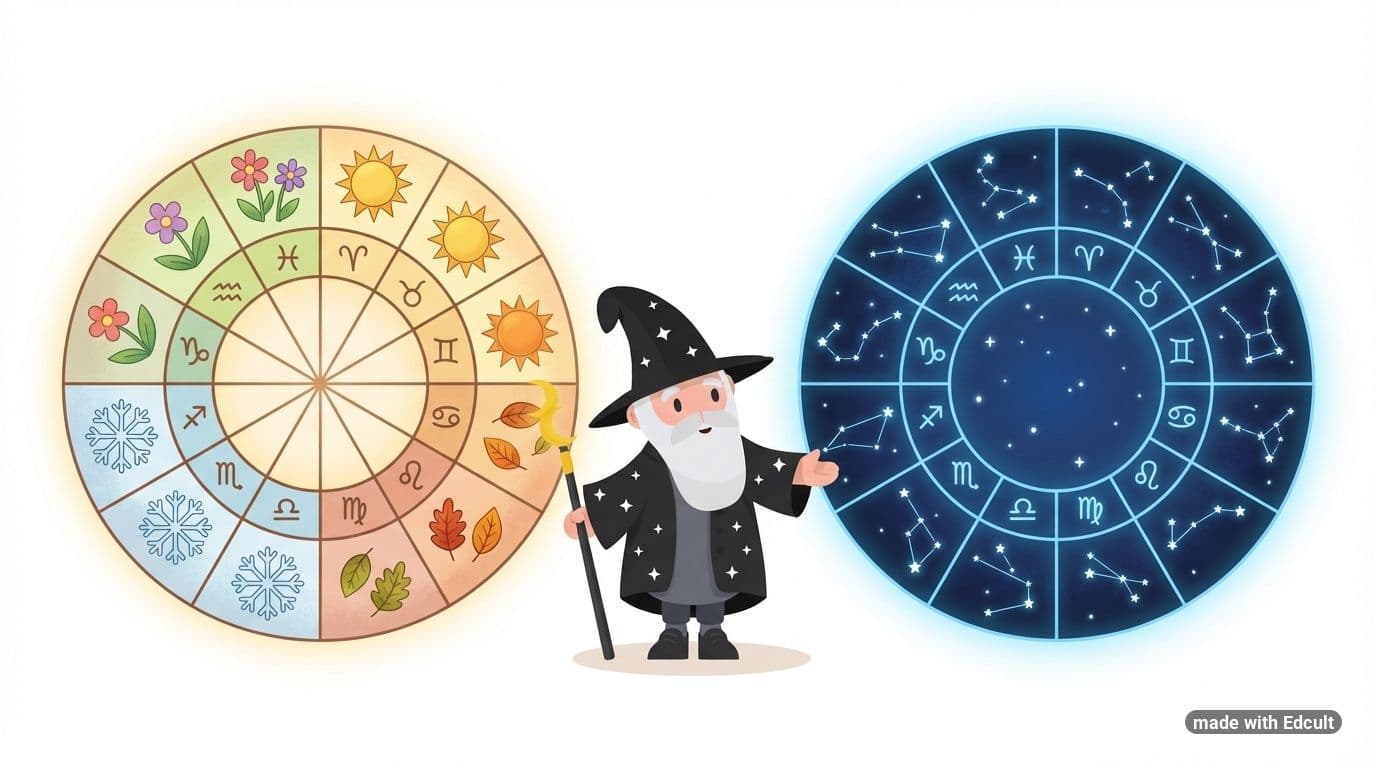
The date ranges listed above follow the tropical zodiac, which is the dominant system in Western astrology. Tropical astrology anchors the zodiac to the equinoxes and solstices, making it season-based.
Sidereal astrology, used primarily in Vedic traditions, aligns signs with the actual constellations. Because of axial precession, sidereal sign dates differ from tropical dates by approximately 23–24 degrees. This means a person’s Sun sign may shift when calculated in the sidereal system.
Both systems are internally consistent, but they operate using different astronomical reference points.
Elements and Modalities of the Zodiac
Each of the twelve signs belongs to one of four elements and one of three modalities.
The Four Elements:
- Fire: Aries, Leo, Sagittarius
- Earth: Taurus, Virgo, Capricorn
- Air: Gemini, Libra, Aquarius
- Water: Cancer, Scorpio, Pisces
The elements describe temperament and orientation toward life.
The Three Modalities:
- Cardinal: Aries, Cancer, Libra, Capricorn
- Fixed: Taurus, Leo, Scorpio, Aquarius
- Mutable: Gemini, Virgo, Sagittarius, Pisces
The modalities describe how energy is expressed: initiating, stabilizing, or adapting.
Understanding elements and modalities adds structure beyond simple personality descriptions.
Sun Sign vs. Full Birth Chart
Although zodiac signs are widely associated with personality, the Sun sign represents only one component of the birth chart. A complete astrological chart includes the Moon, Mercury, Venus, Mars, Jupiter, Saturn, Uranus, Neptune, Pluto, and additional calculated points.
Relying solely on Sun sign astrology provides a simplified overview rather than a comprehensive psychological analysis.
The Zodiac as a Symbolic Cycle
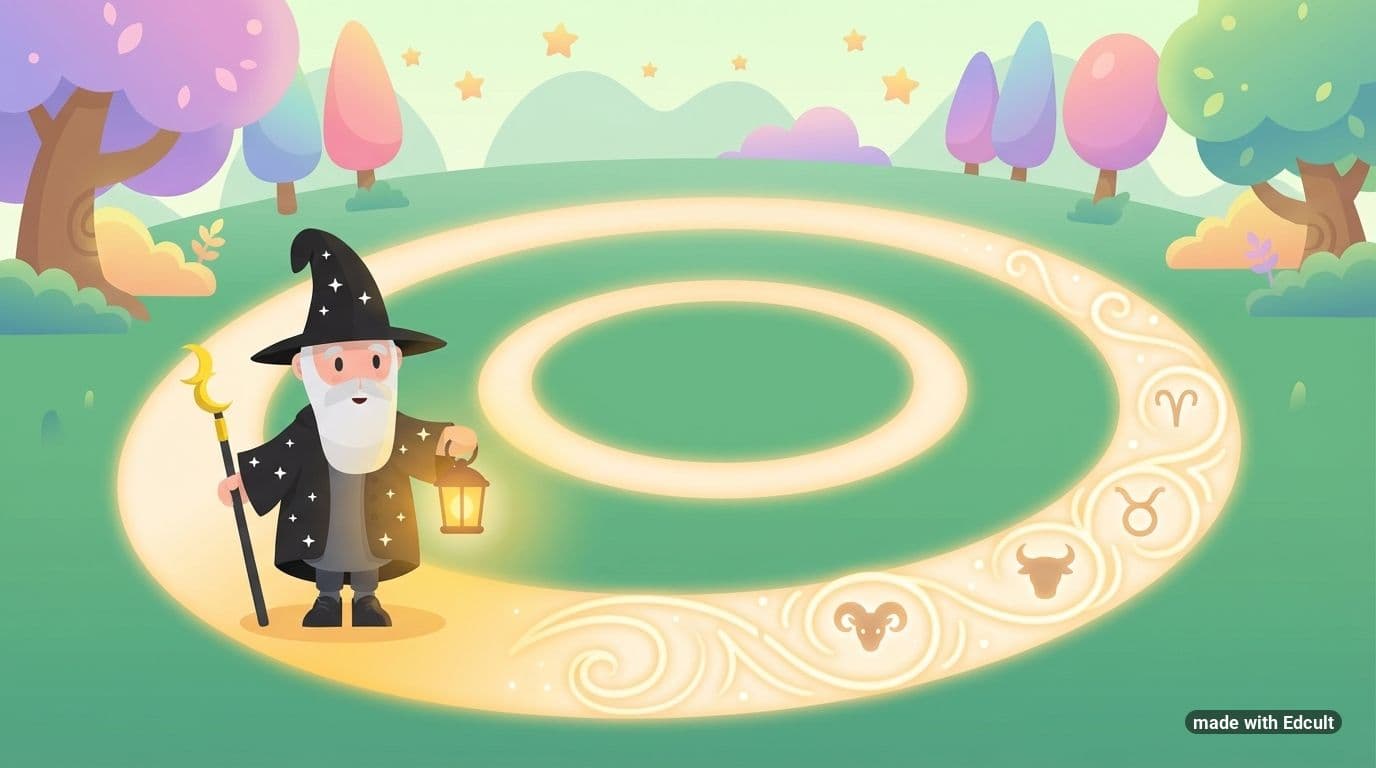
The zodiac is structured as a developmental cycle. Aries represents emergence and identity. Taurus stabilizes. Gemini explores. Cancer nurtures. Leo expresses. Virgo refines. Libra relates. Scorpio transforms. Sagittarius expands. Capricorn structures. Aquarius innovates. Pisces dissolves.
This cyclical structure is foundational in Western astrological interpretation.
Conclusion
The twelve zodiac signs form the structural backbone of Western astrology. Each sign occupies an equal 30-degree section of the tropical zodiac and corresponds to specific seasonal markers. While popular culture often reduces zodiac signs to personality stereotypes, traditional astrology treats them as archetypal frameworks within a larger chart system.
Understanding the dates, elements, modalities, and astronomical basis of the zodiac provides clarity before diving into deeper interpretation.
This overview serves as a foundational guide. Each sign contains significantly more nuance when explored individually, which is why separate in-depth articles are valuable for accurate understanding.