


Maybe you already know which conversation you're thinking about. The offer came in, you said yes too fast, and somewhere in the following weeks it settled in that you'd left money on the table without even trying to pick it up. Or maybe you're staring down a negotiation that hasn't happened yet, and you're less scared of a bad outcome than of making a mistake you can't take back.
Both fears are reasonable, because salary mistakes aren't one-time events. A number you accept today becomes the base every future raise gets calculated from. Negotiation Skills 101 covers the fundamentals that prevent most of this — BATNA, separating interests from positions — but this article is specifically about the errors that undo good intentions in the moment, and what to do if you've already made one.
Most of these mistakes share a common root: they all feel, at the time, like the safer choice. Accepting quickly feels like avoiding conflict. Not asking about the rest of the package feels like not being greedy. Each one is a small trade of long-term value for short-term comfort, and none of them feel like mistakes until later, when the pattern is easier to see from a distance.
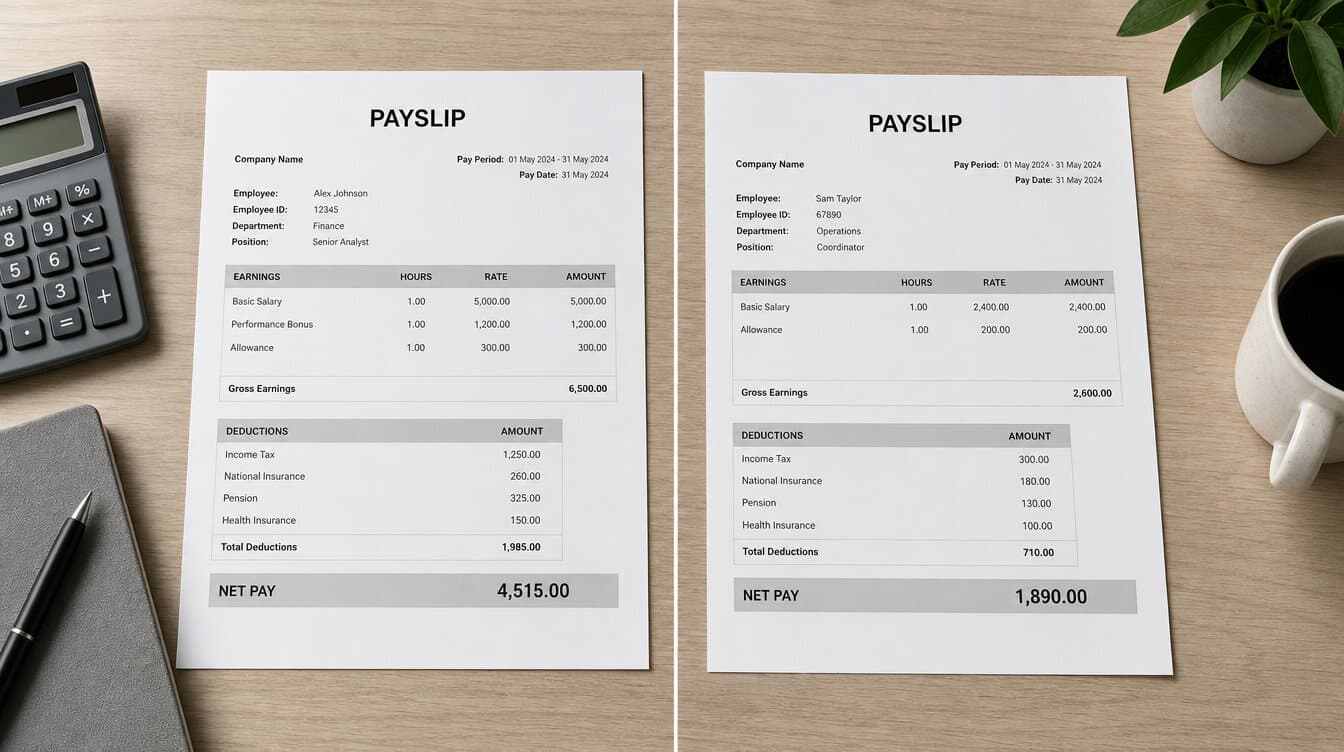
What's the single costliest mistake people make in salary negotiation?
Not negotiating at all. Every other mistake on this list is a distant second, because accepting the first number is the one error that guarantees you left something on the table, every single time, with certainty rather than just risk.
The offer you're handed is very rarely the offer that was actually available.
The reason this mistake is so easy to make is that it doesn't feel like a mistake in the moment. It feels like gratitude, or relief, or simply not wanting to be difficult. Employers routinely build negotiating room into an initial offer, expecting some back-and-forth — accepting immediately means you've opted out of a conversation the other side was already prepared to have.
This mistake is also uniquely invisible compared to the others on this list. Every other error here has a moment where you might notice it went wrong — a pushback you couldn't answer, a package you forgot to ask about. Accepting immediately produces no such moment. There's no friction, no awkward pause, nothing that flags itself as a decision at all. It simply feels like the conversation ending on good terms, which is exactly why it's so easy to repeat without ever realizing it's costing you anything.
If putting this into words is the part that stops you, a script for exactly what to say removes the guesswork — the hardest part of avoiding this mistake is usually finding the first sentence, not summoning the courage.
Check yourselfA recruiter asks what salary you are looking for. Before you read on: what does answering with a number cost you, and what could you say instead?Show the answerHide the answer
Whoever names a figure first sets the anchor, and a low guess offered to seem reasonable caps your own ceiling before the conversation has started. The alternative is to ask about the band for the role first, and only then put a figure on the table — or to anchor high yourself, if your market data is solid enough to defend the number.
What other mistakes quietly cost the most money?
Beyond not negotiating at all, a handful of specific errors show up constantly, and each one is fixable once you can name it.
- Naming your number first. Whoever states a number first sets an anchor, and if you go first with a low guess to seem reasonable, you've capped your own ceiling before the conversation even started. Ask about the range before offering your own figure, or anchor high yourself if you're confident in your data.
- Negotiating only the base salary. Compensation is a bundle — bonus, equity, signing bonus, start date, review timeline, title — and fixating on one number means ignoring every other lever that might actually be movable. A "fixed" base salary rarely means everything else is fixed too.
- Treating the first counter as final. When an employer pushes back once, many people fold immediately, assuming the pushback means the door is closed. Often it's simply the opening move of the actual negotiation, not the end of it.
- Apologizing for asking. Softening a reasonable request with "sorry to bring this up" signals that you don't expect to be taken seriously. This mistake shows up disproportionately for people who've been socialized to see asking for more as impolite — the confidence gap in salary negotiation covers why this happens and how to work against it directly.
- Assuming you have no leverage without a competing offer. A rival offer is the most obvious source of leverage, but it isn't the only one. Documented results, market data, and the specific cost of replacing you are all real leverage. Negotiating pay without a competing offer walks through what real leverage looks like when you don't have another offer in hand.
- Not getting the final number in writing. A verbal agreement is not a confirmed offer. Asking for confirmation in writing is standard practice, not a sign of distrust.
- Making the ask personal instead of evidence-based. Framing a request around "I really need this" instead of "here's what this role is worth" turns an objective conversation into an emotional appeal, which is both less persuasive and harder for the other side to act on internally.
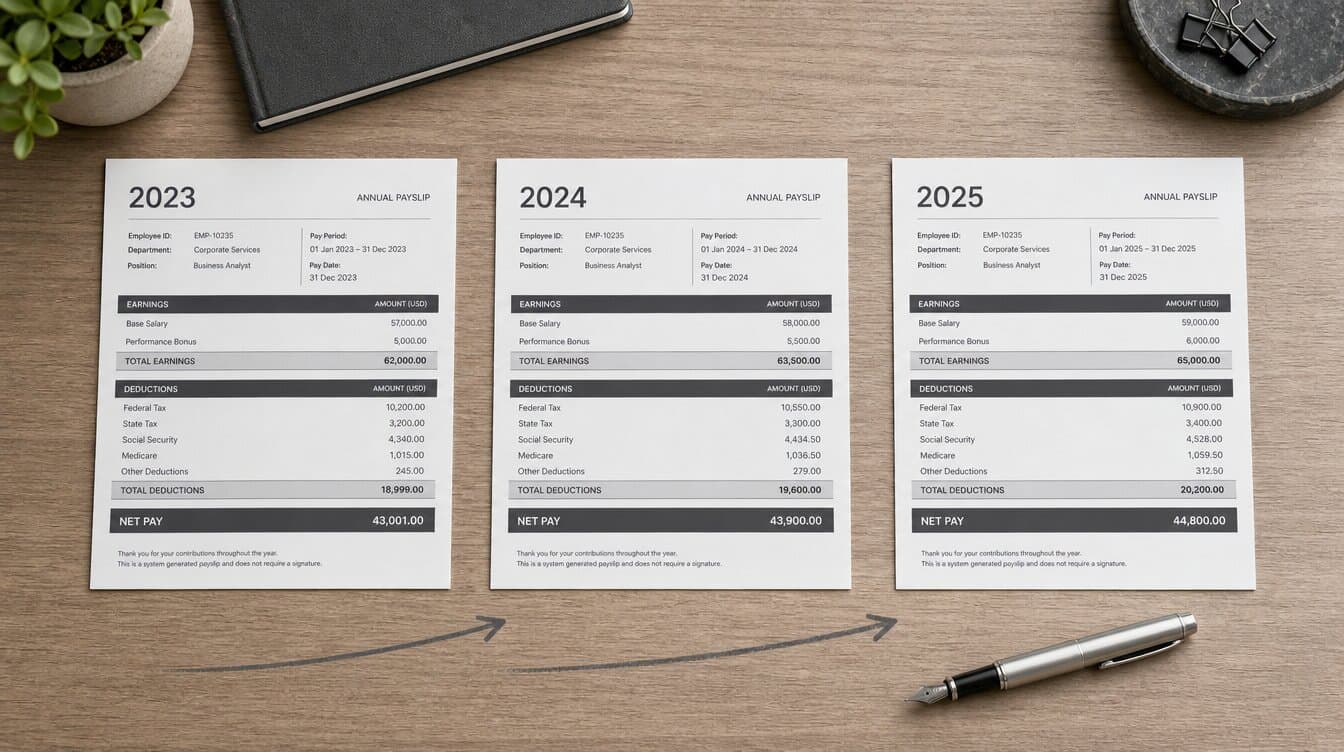
Do these mistakes compound over time?
Yes, and this is the part that makes fixing them worth real effort rather than a passing regret. A salary isn't a single transaction — it's the base every subsequent raise, bonus calculation, and future negotiation gets built on top of.
Here's the mechanism. Most raises are expressed as a percentage of your current salary, which means a lower starting number produces a lower raise in absolute terms every single year that follows, not just the first one. And when you move to a new job later, many employers ask about your current salary or infer your market value partly from your salary history, meaning an underpriced starting point can echo into negotiations that happen years later, with entirely different companies.
A number you don't negotiate today isn't a one-time cost. It's a discount you keep paying, quietly, for years.
This compounding effect is also why the size of the initial ask matters more than it seems to in the moment. A modest, reasonable increase secured at the start of a role tends to look small on the day you negotiate it and much larger by the time it's passed through several years of percentage-based raises.
Take the last offer you accepted and count the ticks
Ticked: 0 of 5
The unticked lines are the specific moves to prepare for next time. None of them are evidence that you are bad at this.
How do you recover if you already made one of these mistakes?
You recover by treating the next opportunity as the actual negotiation, rather than trying to reopen a conversation that's already closed. Trying to renegotiate an accepted offer, weeks or months later, rarely goes well and can damage trust unnecessarily. The better move is patience aimed at the right moment.
The clearest opportunities to correct course: your next scheduled performance review, a promotion conversation, or a move to a new role internally or externally. Each of these is a legitimate, expected point to revisit compensation, and none of them require you to explain or apologize for what happened last time.
Write down, while it's fresh, exactly what you wish you'd said, and exactly where in the conversation you folded. That specific memory is more useful preparation for next time than general resolve to "be better at this."
It also helps to separate what happened from what it means about you. Making one or several of these mistakes doesn't indicate a permanent inability to negotiate — it indicates that nobody taught you the specific moves, which is a completely different and far more fixable problem.
What to do next
None of these mistakes are personality flaws, and none of them are permanent. They're specific, nameable moments in a conversation, and each one has a specific fix that doesn't require becoming a different kind of person. The goal isn't to negotiate perfectly next time. It's to make one fewer of these mistakes than you made the time before.
Test yourself
Question 1 of 3
Why does the article call accepting the first offer the costliest mistake, rather than simply a risky one?
What's the single costliest mistake people make in salary negotiation?
Not negotiating at all. It's the one error that guarantees, with certainty rather than risk, that you left something on the table — and it's uniquely invisible because it produces no moment that flags itself as a mistake.
What other mistakes quietly cost the most money?
Naming your number first, negotiating only the base salary, treating the first counter as final, apologizing for asking, assuming you have no leverage without a competing offer, and not getting the final number in writing.
Do salary negotiation mistakes compound over time?
Yes. Raises are usually a percentage of current salary, so a lower starting number produces a smaller raise every year that follows. A number you don't negotiate today isn't a one-time cost — it's a discount you keep paying for years.
How do you recover if you already made one of these mistakes?
Treat your next opportunity — a review, a promotion, a new role — as the actual negotiation, rather than reopening a closed conversation. Write down what you wish you'd said, and prepare better rather than trying to renegotiate something already agreed.