





















Classification Drills
- Financial instrument classes
- Cash vs derivative instruments
- Real Assets vs Financial Assets
- Public vs private classification
- Market venue matching
Learn in a fun, fast, and engaging way. Just 5 minutes a day!
Meet Astra — your personal Markets Trainer.
Start Free LessonTreasury bills
Treasury bills
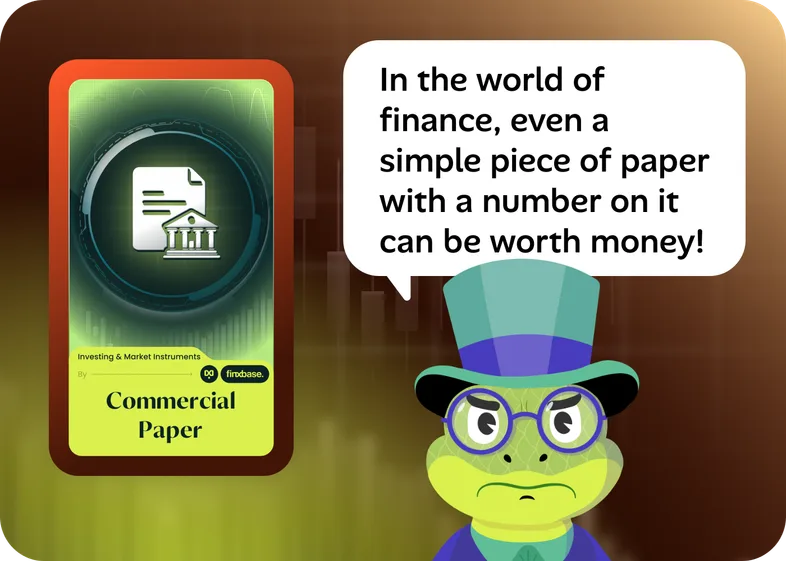
A security is a valuable paper. What does "valuable" mean? It means the paper has worth. How is that value determined?  If the paper states an amount it’s worth, or includes a promise to pay money, then it has value. That’s because it can be exchanged for money-either now or in the future! And if the paper has value, it can be sold or transferred. 
Choose your answer:
Your mini-MBA
Today's quests
Complete a lesson
Complete 3 lessons
Share a thought
My Collections
12Continue learning
My Lessons
Basics in Markets
Global Market Ecosystem
Stocks
Equity Funds & Vehicles
Bonds
Treasury bills
 In the app
Sort cash from derivatives.
Compare exchange-traded funds, mutual funds, and ETNs.
Explain how calls, puts, and credit swaps differ.
 Treasury billsNarrated by Snage
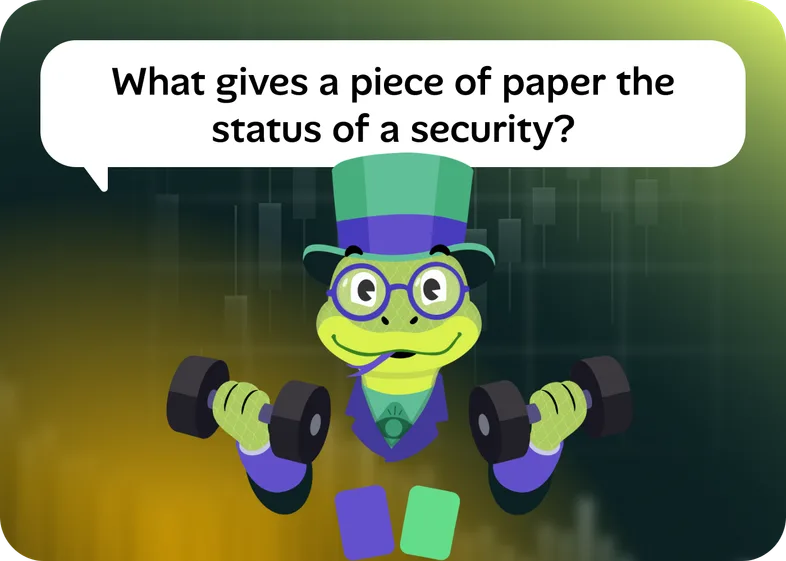
A security is a valuable paper. What does "valuable" mean? It means the paper has worth.
No time to sit with the phone? Every lesson reads itself aloud, in your language: on a walk, in the car, at the sink.
 Extraordinary Popular Delusions and the Madness of CrowdsCharles Mackay
 4.8Reminiscences of a Stock OperatorEdwin Lefèvre
 The Autobiography of Benjamin FranklinBenjamin Franklin
Reminiscences of a Stock Operator · Edwin Lefèvre, 1923 · 19 chapters
Adam Smith, Lefèvre, Carnegie: 30 classics, free to read. Too long? Each one is cut into 10–20 short chapters, Astra-style.
24,255
lessons completed by the community in the last 30 days
Posts from the Astra community feed. Some are translated from the author's language.
Real learner profiles, open for anyone to check
 Proof of LearningCicada116Lvl 57

 Proof of LearningDrew72Lvl 50
 Proof of LearningNicole50Lvl 41
 Proof of LearningNatasha24Lvl 40
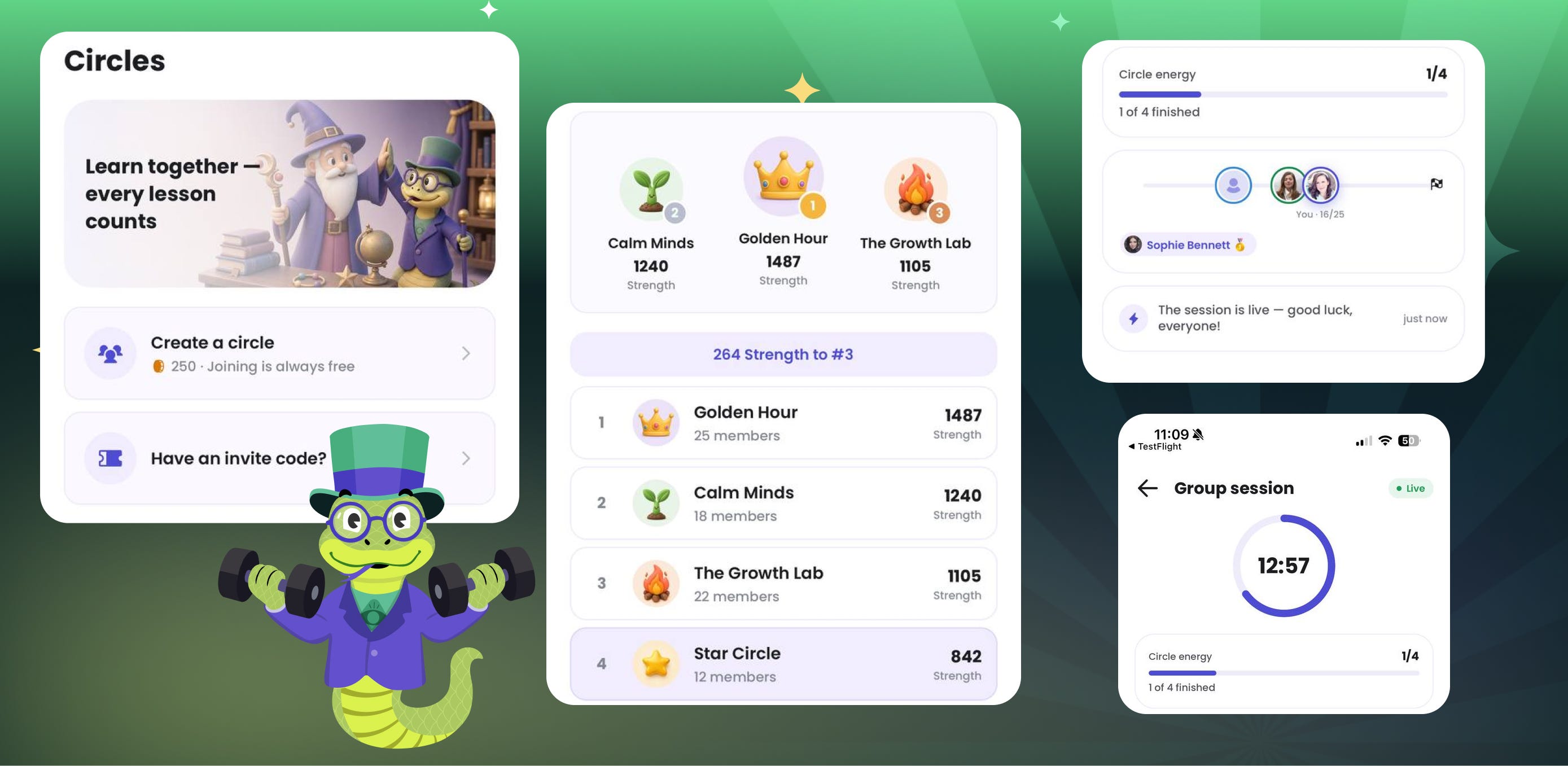
Members team up in circles. Every lesson adds strength.
This week's circle race
 Crimson and Clover25 members3,897
 The Empress Circle25 members2,763
 Mystery Mystics25 members2,331
 Owl -all- the Wisdom16 members1,038
 Just Starting Out25 members690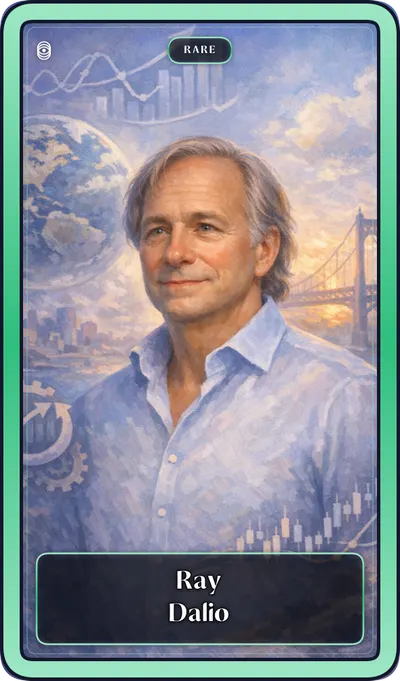
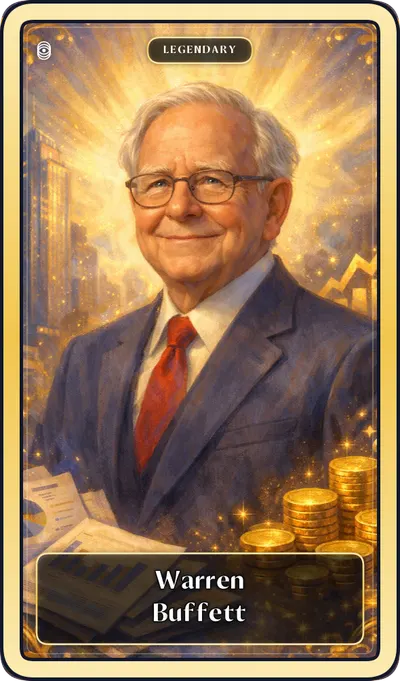
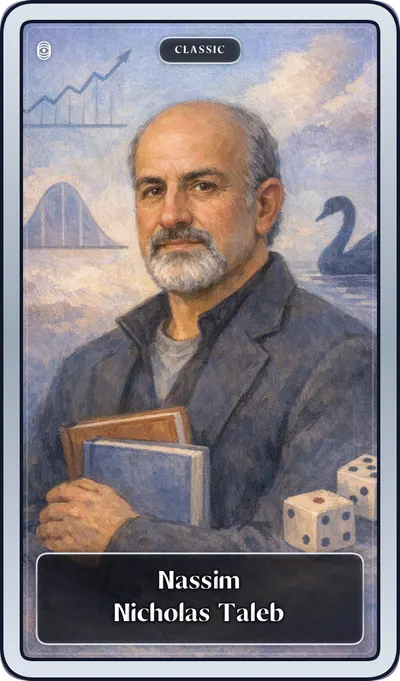
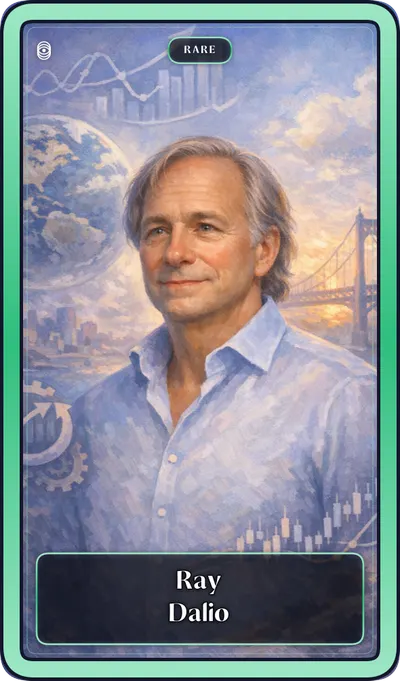
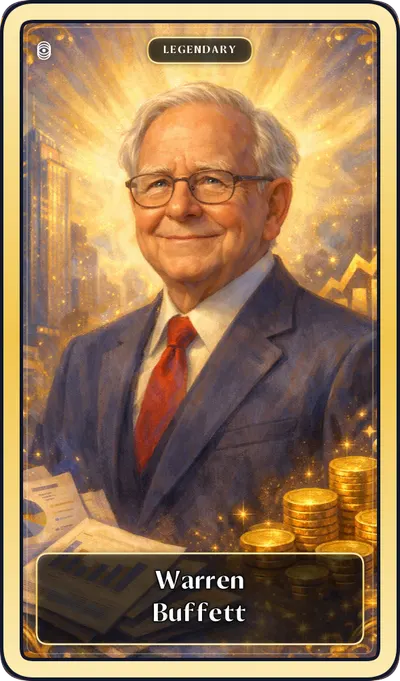
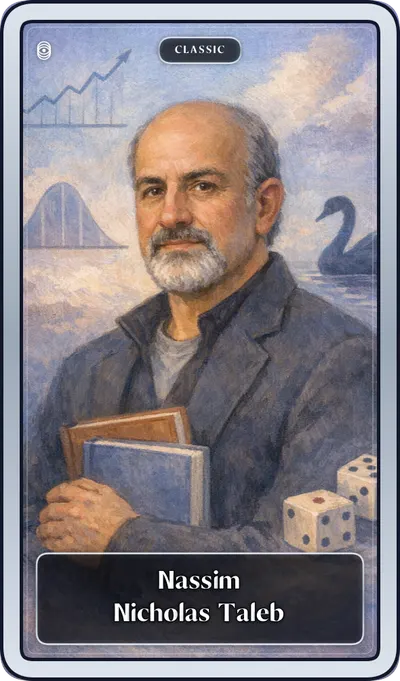
Every card opens a mini-story and a lesson about the person on it.
Streak reward
You earned a pack!
CERTIFICATE
OF COMPLETION
MARKETS
FUNDAMENTAL
This is to certify that
Your Namehas successfully completed
the comprehensive course!
18 courses
Basics in Markets
Unlock how simple “papers” become money, power, and tradable wealth in the real world.
Global Market Ecosystem
See how stocks, bonds, commodities, FX, crypto, and derivatives move money across the world.
Stocks
Explore how different stock types change power, payouts, and ownership inside a company.
Equity Funds & Vehicles
Discover how ETFs, funds, and indices package stocks into powerful vehicles that shape where money flows.
Bonds
Learn how governments, cities, and companies borrow money through bonds.
Treasury bills
Learn why Treasury bills are one of the safest ways to park cash short term.
Real reviews from the App Store
Choose your plan
Secure checkout. By continuing you agree to our Terms and Privacy Policy.
Anything else? Write to support@astratrainer.com and a person replies.
The direction offers no picks, predictions, or return claims. It teaches the names, structures, and purposes of market instruments so you can understand financial conversations and continue your own research.
Yes, a novice can begin here after grasping what money is. Basics in Markets starts with definitions, then Global Market Ecosystem shows where instruments trade before the path moves into stocks and funds.
No. You examine coupon types, maturity structures, seniority, callable and convertible features, plus investment-grade and lower-rated bonds, so the label alone does not settle the risk question.
You can begin without understanding options. Stocks and equity funds come first, followed by bonds and money-market paper. Options appear later as one derivative class within the wider instrument map.
The fund material separates ETFs, mutual funds, closed-end funds, ETNs, and index funds. You also compare capitalization-weighted, equal-weight, and thematic index structures.
Access runs on phone and web, in eight languages including English. Lessons take five minutes and include quizzes. Stripe handles checkout, subscriptions cancel anytime, and you earn a named certificate after the final exam.
Move from unfamiliar labels to a working map of stocks, funds, debt, derivatives, real assets, and private capital.
Start Free Lesson



 Markets
 Money Systems
 Structures
 Crypto