The Doré Lectures on Mental Science
Thomas Troward · 1909
4.8 · 6 ratings
About the book
Twelve Sunday addresses at the Doré Gallery, where Troward preached his mental science to Edwardian London: enter into the spirit of a thing and its power becomes yours. Shorter and warmer than the Edinburgh set — the judge at his most pastoral.
Try the short course
Part 1 · Enter the spirit of a thing. The first six slides, free.


1 / 6
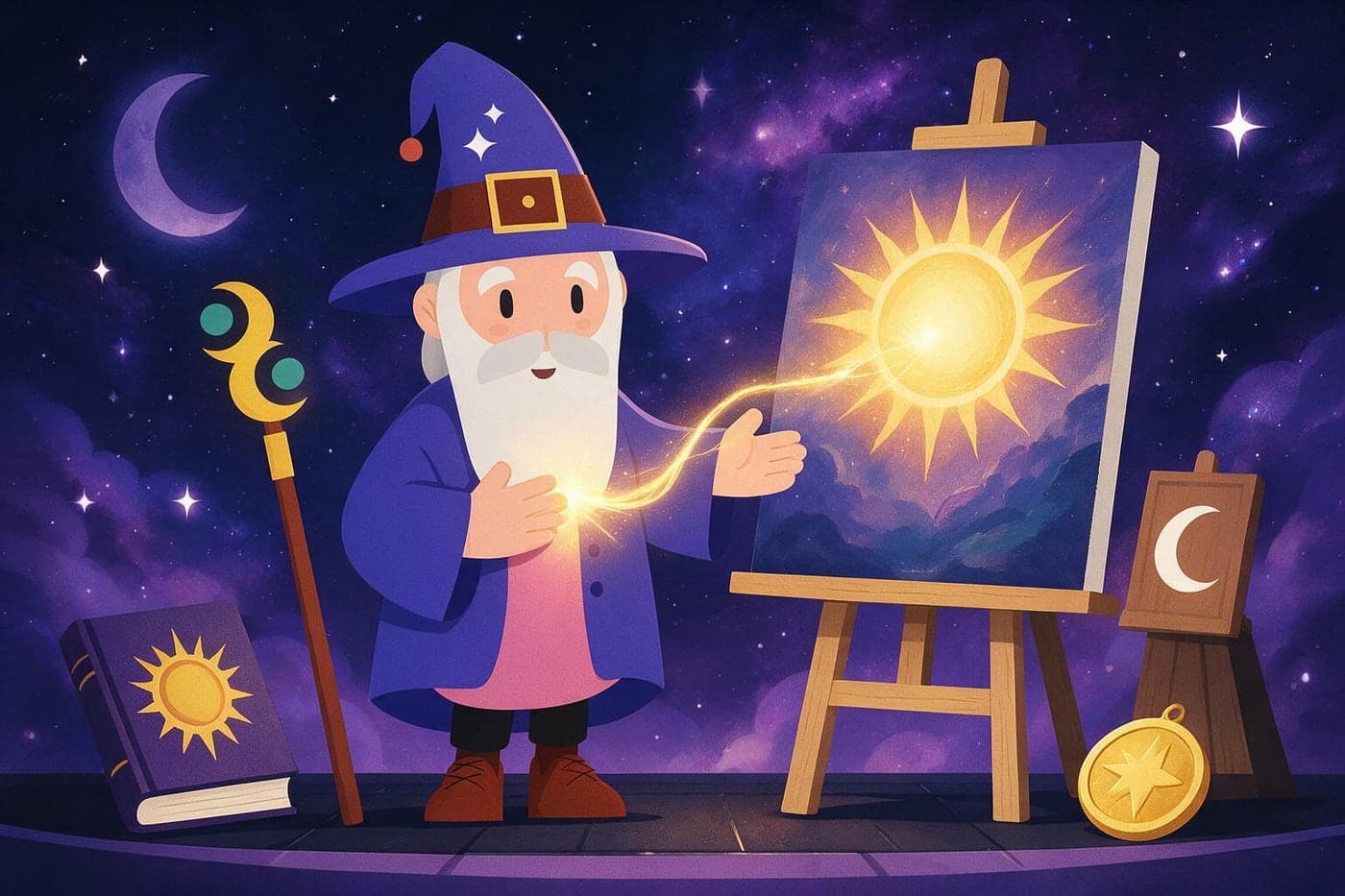
You have probably stood in front of a painting that did nothing for you, until someone told you what the painter was reaching for. Then the same canvas came alive.
Troward opens his Sunday talks right there. The thought of the author, the impression of the painter, the feeling of the musician: without it the work could never have existed, and without sharing it we cannot receive what the work has to give. To appreciate a thing we must share the mental attitude of its creator.
He states it as a universal rule: “if we do not enter into the Spirit of a thing, it is dead so far as we are concerned.” And when we do enter it, we reproduce in ourselves the same quality of life that called the thing into being.
Read this preview as text
You have probably stood in front of a painting that did nothing for you, until someone told you what the painter was reaching for. Then the same canvas came alive.
Troward opens his Sunday talks right there. The thought of the author, the impression of the painter, the feeling of the musician: without it the work could never have existed, and without sharing it we cannot receive what the work has to give. To appreciate a thing we must share the mental attitude of its creator.
He states it as a universal rule: “if we do not enter into the Spirit of a thing, it is dead so far as we are concerned.” And when we do enter it, we reproduce in ourselves the same quality of life that called the thing into being.
Then comes the leap the whole book rests on. If this works for a sonata or a novel, why stop there? Why not carry it to the highest point of all?
Troward asks whether we might enter into the originating Spirit of Life itself, the power behind every living thing, our own lives included, and so reproduce it in ourselves as a perennial spring of livingness.
Notice what “spirit” means here. It is not a ghost or a vague atmosphere. For Troward the spirit of anything is the source of its inherent movement, the thing that makes it move and exist at all. So the question turns concrete: what is the moving power behind life, and what is it like from the inside?
According to Troward, why can a great book or piece of music stay “dead” for someone?
- They have not entered the idea and feeling that brought it into beingCorrect answer
- Only fellow artists can receive what a work of art has to give
- They lack the technical training needed to judge the work's craftsmanship
- Its power depends on whatever mood they happen to be in that day
The life of a work lies in the thought or feeling that produced it; share that mental attitude and the work lives for you. It is not a matter of expertise or passing mood, but of entering the creator's idea.
Which kind of maker, though? Troward is careful here. An engineer's work is constructive: it assembles materials to meet a need. A scientist's work is analytical: it takes apart what already exists.
The artist is different. In a sense she creates something out of nothing, so she starts from simple feeling, not from a pre-existing necessity. Nothing outside forces the song to go one way rather than another.
That, Troward argues, is exactly the position of the Parent Mind at the first moment of creation. No existing conditions pushed it in any direction. So the first movement could only be the Original Mind acting upon itself, reaching out to realize all that it feels itself to be. Creation begins as a feeling, what we would call the motif of a work of art.
So what is the motif? Troward's reasoning is short. The Spirit is Life-in-itself, so its feeling can only be for the fuller expression of Life. Any other feeling would be self-destructive, and a Life working against itself is unthinkable.
Then he follows the thread. Full expression of Life implies Happiness; Happiness implies Harmony; Harmony implies Order; Order implies Proportion; and Proportion implies Beauty. And the wish to bestow that joyous fullness of life can only be called Love.
Put together, the original impulse behind everything is Love and Beauty: the Spirit expressing itself through forms of beauty in centres of life. This is the feeling Troward asks you to enter. Not a force to be harnessed, but the maker's own wish for more life, more harmony, more beauty.
Troward claims that creation, in the first instance, is purely a matter of feeling rather than a response to any outside necessity.
TrueCorrect answer
True. Before creation there were no conditions to compel it, so the first movement could only be the Original Mind acting on itself, which he compares to the motif, the feeling, behind a work of art.
Inside the course
12 parts- Entering into the spirit of itFree above
- Individuality: what the universal cannot do without you
- The New Thought and the new order
- The life of the spirit
Questions
Is The Doré Lectures on Mental Science free to read in Astra Trainer?
Yes. The full book opens free in the app’s reader, in English, Spanish, German, French, Italian, Polish, Portuguese, and Russian.
What is the short course?
12 short parts that walk through the book’s key ideas in slides, each with a quick quiz. The first six slides are free to try on this page.
Where do I get the app?
Astra Trainer is free on the App Store and Google Play. The Doré Lectures on Mental Science is waiting in the app’s library.