The History of Magic
Éliphas Lévi (trans. A. E. Waite) · 1913
4.8 · 5 ratings
About the book
Lévi tells the whole story — Zoroaster to the nineteenth century — as only he can, with magic as the secret thread running through every religion and revolution. Waite translates faithfully and disagrees loudly in the footnotes, so you get two magicians for one.
Try the short course
Part 1 · What Lévi means by magic. The first six slides, free.


1 / 6

Magic, Lévi complains on his first page, has long been confused with the tricks of street conjurors, the hallucinations of disordered minds and the crimes of a few unusual criminals. Worse is the educated version: magic as the art of producing effects without causes. Ordinary people call that absurd, and Lévi agrees with them.
His own definition runs the other way. Magic is “the exact and absolute science of Nature and her laws.” Nobody gets to decide what it is, because it draws only on itself, the way mathematics does.
So set aside the picture of a wand bending reality to a wish. In Lévi’s hands magic admits no effect without a cause. Its whole claim is that it knows the causes better than anyone else does.
Read this preview as text
Magic, Lévi complains on his first page, has long been confused with the tricks of street conjurors, the hallucinations of disordered minds and the crimes of a few unusual criminals. Worse is the educated version: magic as the art of producing effects without causes. Ordinary people call that absurd, and Lévi agrees with them.
His own definition runs the other way. Magic is “the exact and absolute science of Nature and her laws.” Nobody gets to decide what it is, because it draws only on itself, the way mathematics does.
So set aside the picture of a wand bending reality to a wish. In Lévi’s hands magic admits no effect without a cause. Its whole claim is that it knows the causes better than anyone else does.
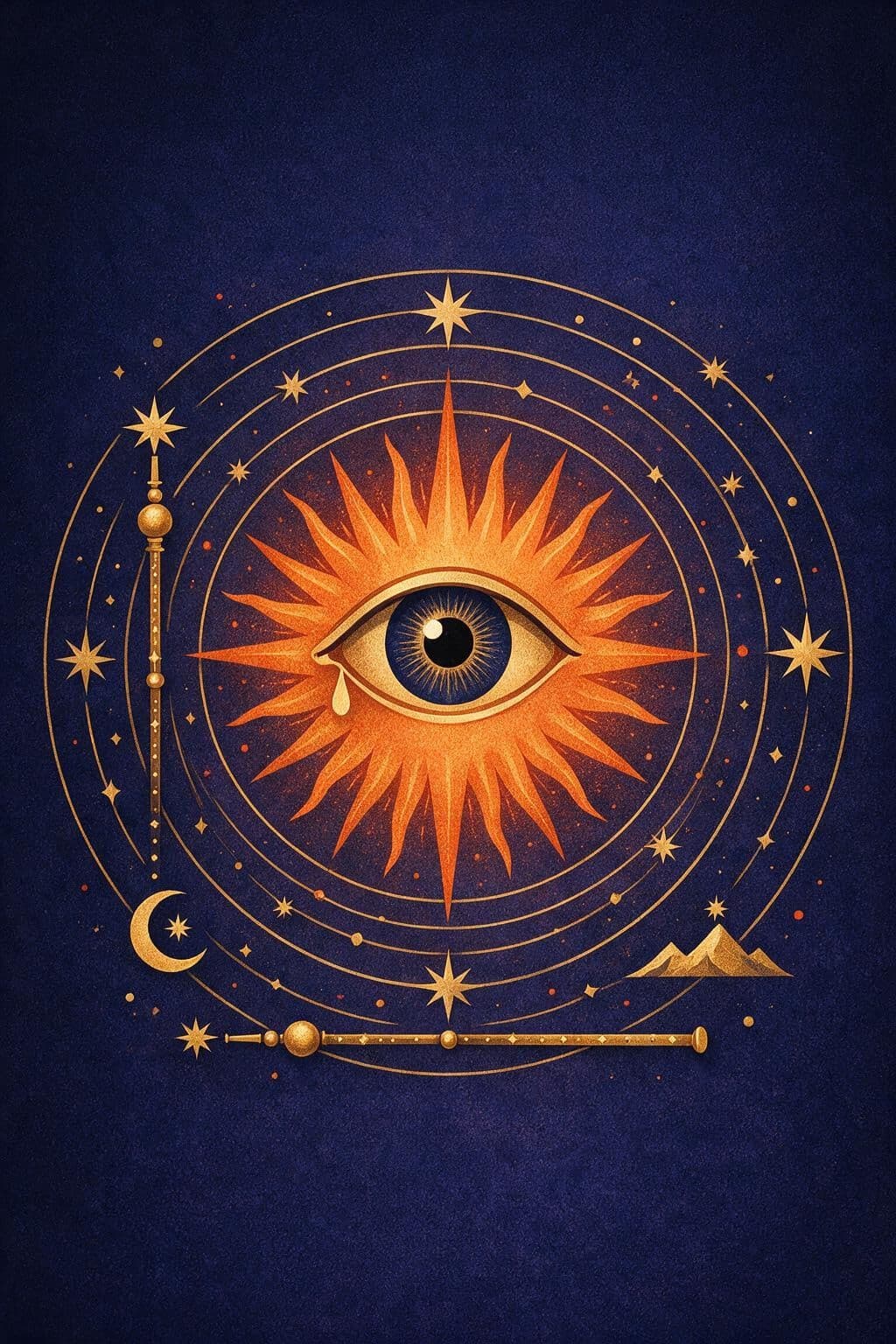
Lévi finds the art’s credentials in the Gospel itself. The Magi who followed a star to the cradle were magicians, and tradition made them kings because, he says, magical initiation is a true royalty. Adepts called their craft the Royal Art, the Holy Kingdom, Sanctum Regnum.
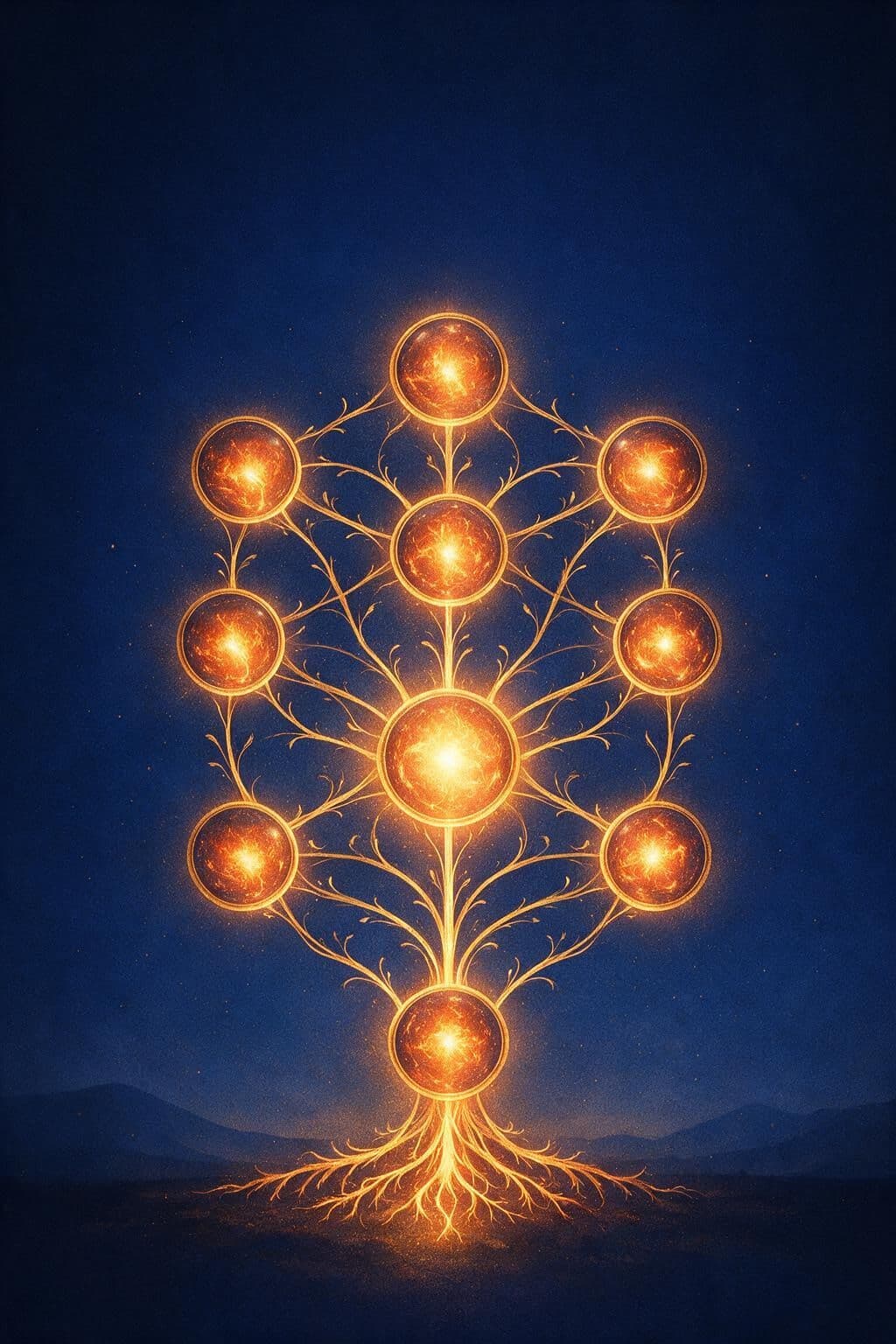
That star, for him, is the Blazing Star met with in every initiation: the quintessence to alchemists, the sacred pentagram to Kabalists.
What he promises for this science is enormous. It reconciles the pairs his century thought could never meet: faith and reason, science and belief, authority and liberty. It is meant to give the mind certainty as exact as mathematics. Believe it or not, notice the size of the ambition. This is not pitched as a book of spells but as a key to how knowing and believing fit together.
Which of these is Lévi’s own definition of magic?
- A skill of suggestion that works only on the credulous
- A hidden religion set up in rivalry with the Church
- The exact and absolute science of Nature and her lawsCorrect answer
- The art of producing effects in the absence of causes
Lévi quotes “effects without causes” only to reject it as the definition that makes magic absurd. He calls himself a Catholic and never frames magic as a rival church; for him it is a science grounded in itself, like mathematics.
If the science is that grand, why has hardly anyone heard of it? Lévi’s answer is that it has always been known, but only to a few who understood the need for silence and patience.
He gives an image worth keeping. Suppose a skilled surgeon opens the eyes of a man born blind, but does it at midnight. The operation has worked, yet the man cannot grasp what daylight is until morning comes. Knowledge, Lévi says, has its nights and its mornings too.
From this comes a conviction that runs under the whole History: nothing hidden is lost, and nothing found is entirely new. What each age takes for a discovery is the same truth coming round again, lost and recovered in turn.
How could such a science act on the world at all? Lévi’s answer is the idea everything later in the book leans on.
There is, he says, one composite agent in Nature, physical and spiritual at once: a universal plastic mediator that receives vibrations of movement and images of form. In a sense it is the imagination of Nature. Through it every nervous system is in secret contact with every other, and from this come sympathy and antipathy, dreams and second sight.
Others had named it before him: the Od of Reichenbach, the Astral Light of the Martinists. Lévi prefers the Astral Light as the clearer name. Hold on to it. When he later explains oracles, witches, apparitions and mediums, this is the medium he explains them through.
The Astral Light has one property that changes everything: it is blind. It warms, lights, attracts, repels, gives life and destroys, but only under the push of a powerful will. On its own it chooses nothing.
That is why Lévi calls it both the wand of the wonder-worker and the key of black magic. The instrument is neutral; the will using it never is.
His example comes from Egypt. Pharaoh’s magicians matched Moses at first, turning rods into serpents and water into blood. The tool was the same, and only the inspiration differed. When they could go no further, their admission of defeat was a confession that human means had reached their limit.
For Lévi this settles an old puzzle: how the good and the wicked alike can both produce marvels.
Inside the course
20 parts- Magic defined by its most romantic historianFree above
- The fabulous sources: before the record begins
- The magic of the Magi
- Magic in India, and the Gnostic inheritance
Questions
Is The History of Magic free to read in Astra Trainer?
Yes. The full book opens free in the app’s reader, in English, Spanish, German, French, Italian, Polish, Portuguese, and Russian.
What is the short course?
20 short parts that walk through the book’s key ideas in slides, each with a quick quiz. The first six slides are free to try on this page.
Where do I get the app?
Astra Trainer is free on the App Store and Google Play. The History of Magic is waiting in the app’s library.