The Philosophy of Numbers
L. Dow Balliett · 1908
5.0 · 3 ratings
About the book
The Atlantic City music teacher who invented modern numerology: your name and birth date reduce to numbers, the numbers sound notes, and the notes have colours. Every 11 and 22 «master number» in every later book traces back to her.
Try the short course
Part 1 · Your birthday and the digit it hides. The first six slides, free.


1 / 6
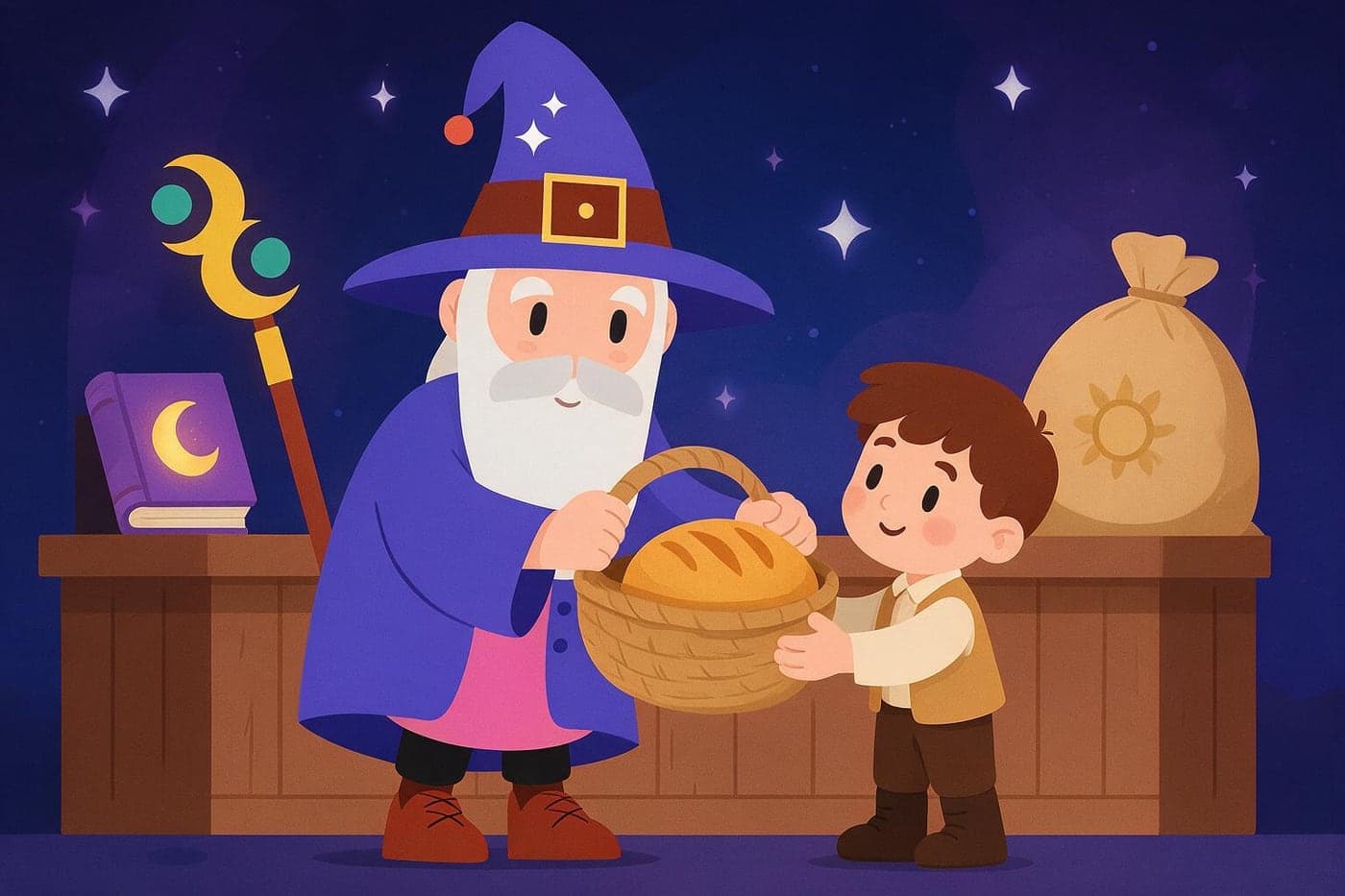
Balliett opens with the two questions everyone asks on a bad night: why am I here, and why does my place in life look so crowded with mistakes?
Her answer is that nothing about your arrival was random. Before birth, the soul saw clearly what it still needed to learn, and the soul chose the moment that would teach it: the parents, the place, the very day.
She compares earth life to a child sent to the shop for bread, sugar and flour, who comes home with only the bread. He is sent back, again and again, until the whole errand is done. In her system, your birth date is the shopping list.
Read this preview as text
Balliett opens with the two questions everyone asks on a bad night: why am I here, and why does my place in life look so crowded with mistakes?
Her answer is that nothing about your arrival was random. Before birth, the soul saw clearly what it still needed to learn, and the soul chose the moment that would teach it: the parents, the place, the very day.
She compares earth life to a child sent to the shop for bread, sugar and flour, who comes home with only the bread. He is sent back, again and again, until the whole errand is done. In her system, your birth date is the shopping list.
This gives the book its basic split, and everything later rests on it. The birth date is this life's assignment: the experiences the soul came to meet and overcome this time round.
The name is the other half. It carries the strength already earned in earlier lives, and it cannot pretend to more. “The soul will not masquerade,” Balliett writes, so a name only vibrates to growth that is real.
The two numbers answer different questions. The name says what you bring with you. The date says what you came to get. By studying the birth number, in her words, “you can see what the individual wishes to gain in this incarnation.”
In Balliett's system, what does your birth number show?
- The fate the planets fixed for you by chance
- The lessons your soul came to gain in this lifeCorrect answer
- The strength your soul earned in earlier lives
- The character your parents hoped you would have
The birth date is this life's assignment. The strength already earned is what the name shows, which is the swap readers make most often, and in Balliett's view nothing about the date was chance, because the soul picked it.
The method itself is plain arithmetic. Balliett passes on the Pythagorean teaching that heaven and earth vibrate to the single digits, 1 to 9, so every letter has to belong to one of them.
Write the alphabet in nine columns, three rows deep. Column 1 holds A, J and S. Column 2 holds B, K and T. Then C, L, U for 3; D, M, V for 4; E, N, W for 5; F, O, X for 6; G, P, Y for 7; H, Q, Z for 8; and I and R for 9.
Every letter is worth its column number. That is the whole key. No star charts, no hour of birth: only the name as it is spelled, and the day, month and year you arrived.
Balliett works it through on a man called Henry Elder, and it is worth following once by hand.
Henry: H is 8, E is 5, N is 5, R is 9, Y is 7. That makes 34, and 3 + 4 gives 7. Elder: E is 5, L is 3, D is 4, E is 5, R is 9. That makes 26, and 2 + 6 gives 8.
Then the names are added as digits: 7 + 8 is 15, and 1 + 5 is 6. Henry Elder's name vibration is 6.
Keep the pieces, though, because each name carries its own digit as well as the whole. Later readings lean on both, and a 7 and an 8 living inside a 6 tell a different story from a plain 6.
The birth number uses the same reduction on the date. Take the number of the month, the digit of the day and the digit of the year, add the three, and reduce again.
Henry Elder was born on 17 January 1872. January is 1. The day, 17, gives 8. The year, 1 + 8 + 7 + 2, is 18, which gives 9. Then 1 + 8 + 9 is 18 once more, and that gives 9. His birth vibration is 9.
One rule stops the adding: 11 and 22 stay whole. When a sum lands on either, Balliett writes it down as it is. She spells out the word white, gets 29, and records it as 11, never as 2.
Inside the course
12 parts- Your first birth: the date and its digitFree above
- The use of birth vibrations
- Colours received through number, as Pythagoras taught
- Finding your own birth digit — the exercises
Questions
Is The Philosophy of Numbers free to read in Astra Trainer?
Yes. The full book opens free in the app’s reader, in English, Spanish, German, French, Italian, Polish, Portuguese, and Russian.
What is the short course?
12 short parts that walk through the book’s key ideas in slides, each with a quick quiz. The first six slides are free to try on this page.
Where do I get the app?
Astra Trainer is free on the App Store and Google Play. The Philosophy of Numbers is waiting in the app’s library.