
Advanced Manufacturing & Industry
The connected factory: automation, quality, digital twins and the operations that keep output moving.
Training catalog: Manufacturing →
Maintenance and Asset Management Careers, After the Alert
Maintenance and asset management careers are the constraint on predictive analytics. An alert about a bearing is worthless if nobody can schedule the work.

Supply Chain Operations Training: Planning Holds the Cash
Supply chain operations training pays because inventory is the largest controllable asset most manufacturers have. Why forecast accuracy is the wrong target.

The Digital Twin Workforce, and Twins Nobody Updates
The digital twin workforce maintains the difference between a 3D visualisation and a validated live model. Which versions earn their cost, and who runs them.
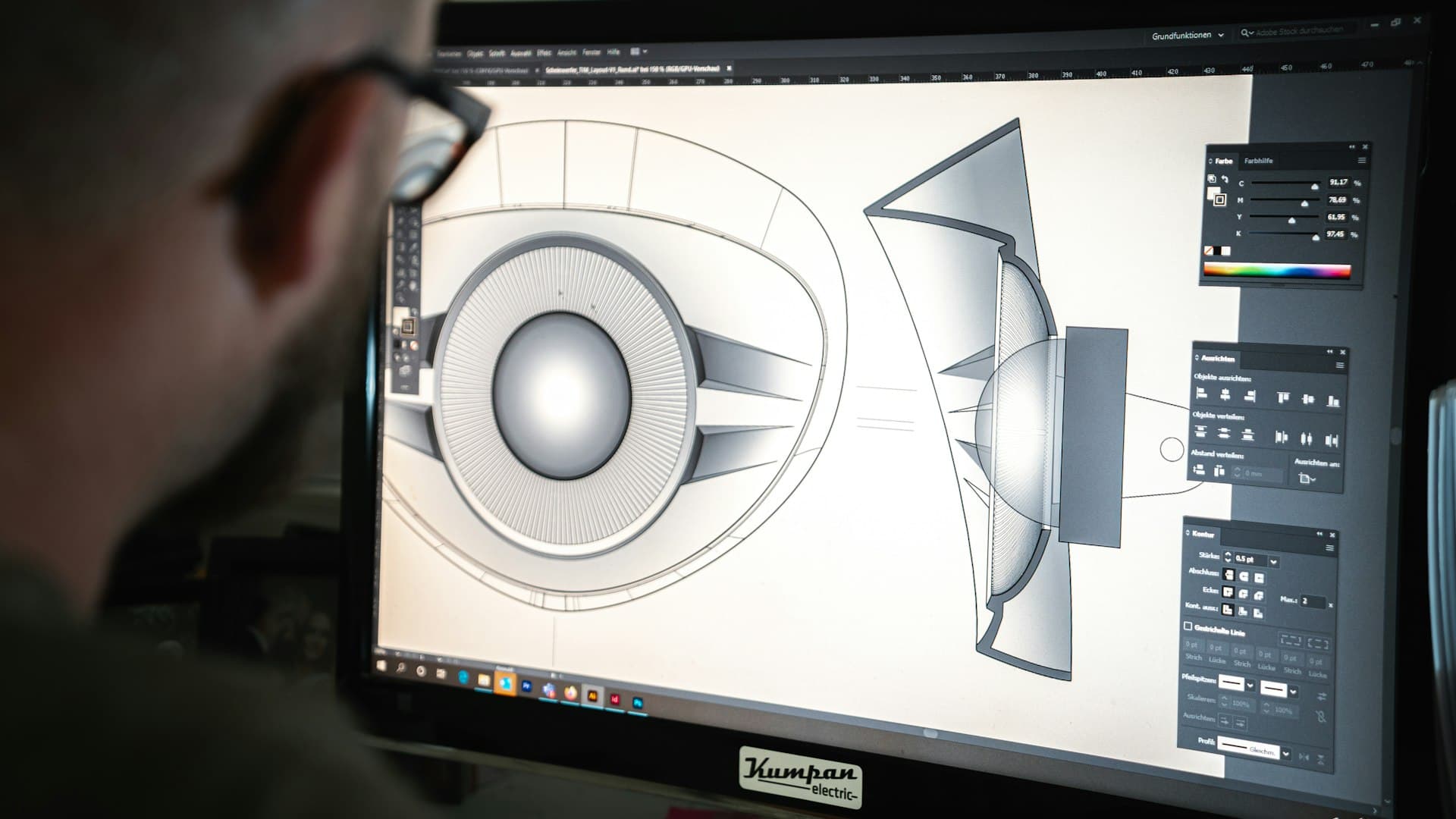
CAD, CAM and PLM Skills: Nobody Owns the Master
CAD, CAM and PLM skills fail the same way everywhere: multiple versions, unclear ownership and a change process people route around. What actually fixes it.
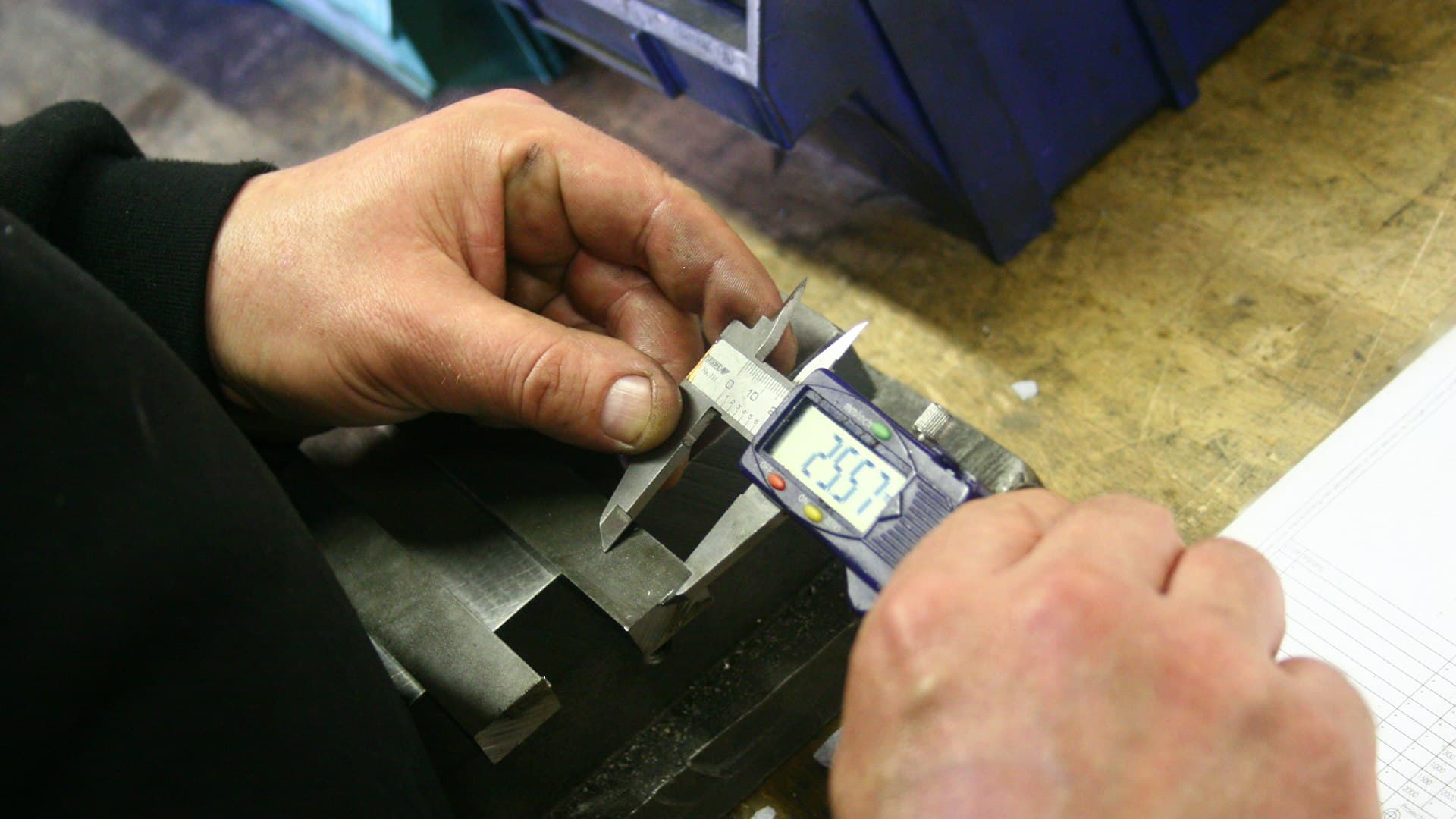
Quality Engineering Careers: Inspection Is Not Quality
Quality engineering careers start where inspection ends. Sorting good parts from bad is the most expensive and least effective control. What works instead.

Additive Manufacturing Careers: Printing Is the Cheap Half
Additive manufacturing careers sit downstream of the build. Post-processing, inspection and qualification often cost more. Where additive genuinely wins.
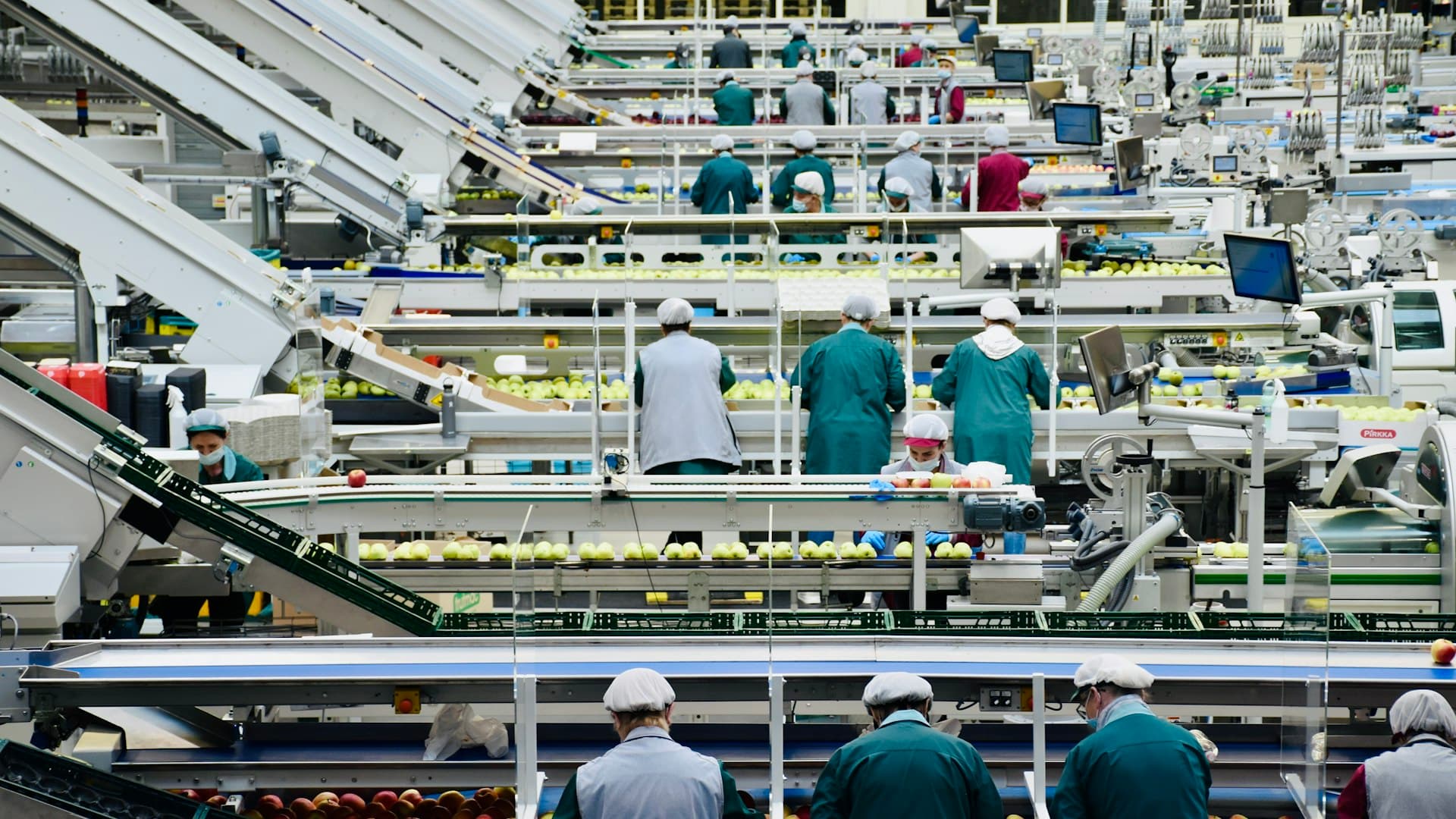
Lean Six Sigma Training: Installed vs Practised
Lean six sigma training fails when lean is installed rather than practised. Boards nobody updates, events nobody follows up, and what makes it stick.
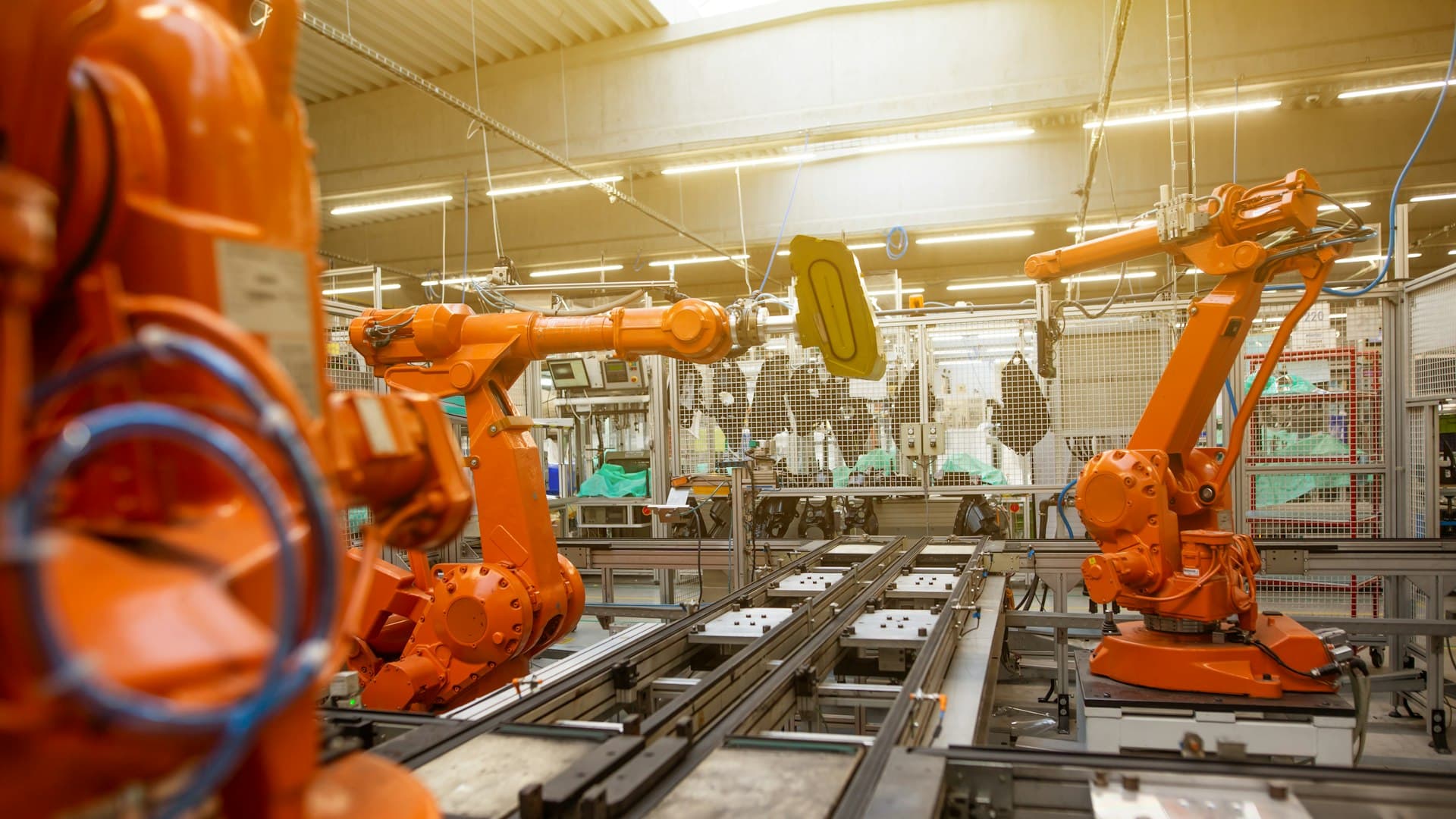
The Industry 4.0 Workforce and Unused Data
The Industry 4.0 workforce is the constraint, not sensors. Plants generate enormous quantities of production data and act on very little of it. Why.
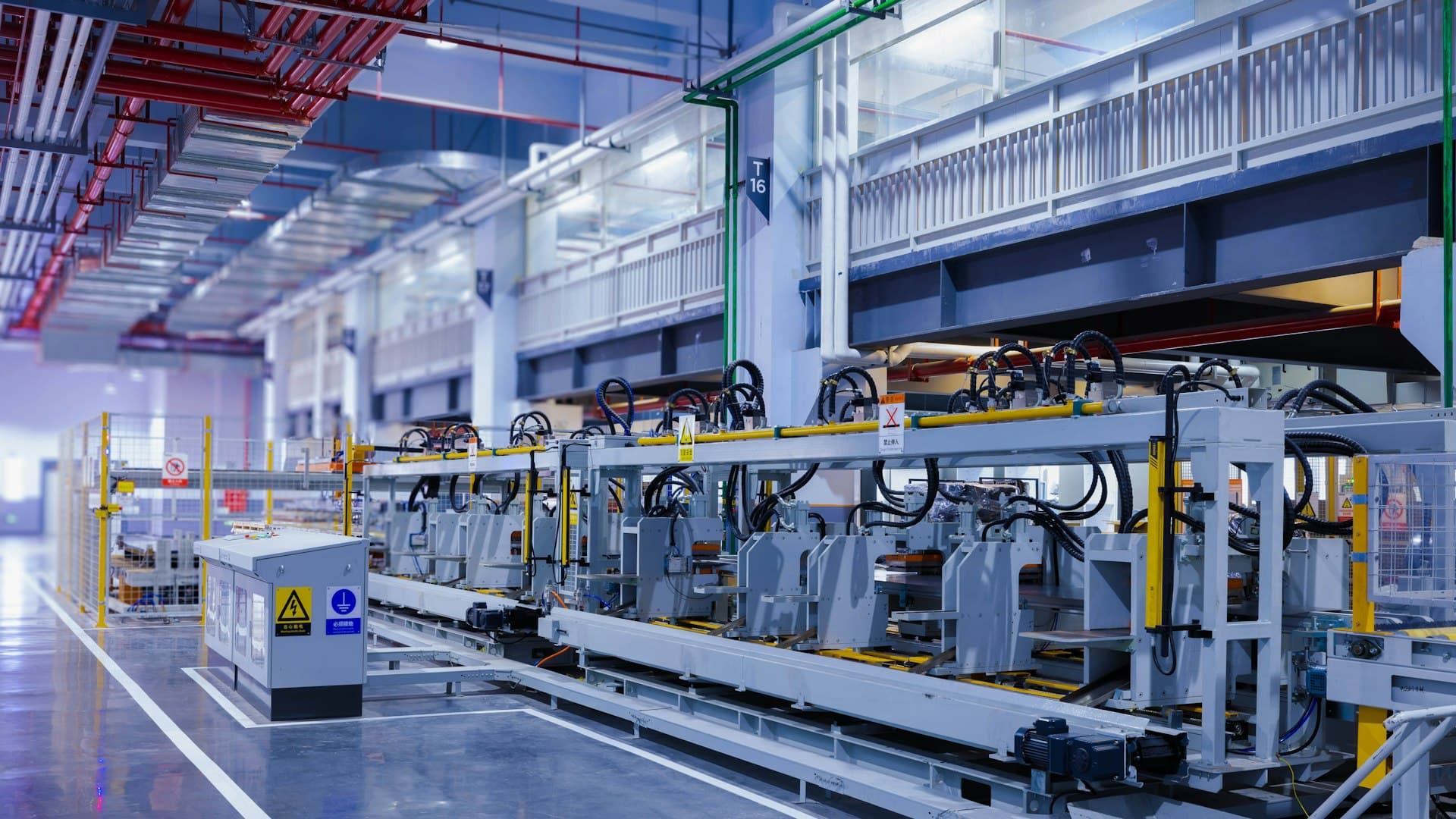
Manufacturing Engineering Careers Decide the Cost
Manufacturing engineering careers lock in the cost of a product before anyone builds one, through process selection, tooling and line layout. A short role.

The Manufacturing Skills Gap: Machines Arrived First
The manufacturing skills gap is not an equipment budget problem. It is the number of people who can run what has already been bought. What that costs.